Travel can feel completely different when the dates are chosen around what a community is actually celebrating rather than simply when flights are cheapest.
A quiet town can suddenly fill with music, processions, traditional food, religious ceremonies, family gatherings, and customs that have existed for generations.
That is what makes designing travel around festivals, traditions, and local life so interesting. Instead of treating culture as something you observe inside museums, you experience traditions as part of everyday life.
UNESCO recognizes social practices, rituals, and festive events as forms of intangible cultural heritage because they can strengthen community identity and connect people with their shared history and memory.
However, festival-based travel requires more preparation than simply finding an event date. Accommodation may sell out, transportation becomes busier, some ceremonies have participation restrictions, and tourism can place pressure on local communities.
The best approach combines research with flexibility. Plan enough to understand what is happening, but leave enough space to experience the event on its own terms.
1. Research the Meaning Before Choosing the Dates
Start with the story behind the celebration.
Knowing that a festival takes place in October is useful. Understanding why it happens, who participates, what traditions surround it, and whether certain parts are sacred gives you much better context.
UNESCO notes that festive traditions can mark seasonal changes, agricultural cycles, religious beliefs, historic memory, and important stages of community life.
This background changes the experience.
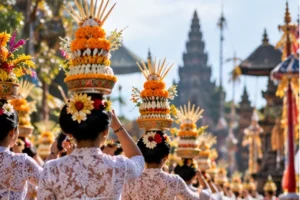
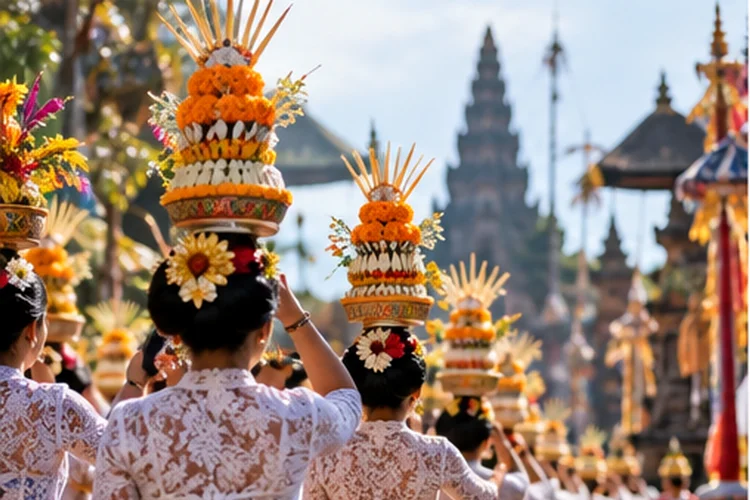
A procession stops being just a colorful photo opportunity when you understand what the clothing, music, food, or rituals represent.
Research should also help you distinguish between a community tradition and an event primarily created for visitors. Both can be enjoyable, but they provide different experiences.
Check official cultural organizations, municipal websites, heritage institutions, and local event organizers rather than depending entirely on travel blogs.
A little reasearch before departure can prevent major misunderstandings later.
2. Confirm Festival Dates Carefully
Festival dates are not always as predictable as they look.
Some follow the Gregorian calendar and occur on the same dates every year. Others depend on lunar calendars, religious calculations, agricultural seasons, or local decisions.
Do not book expensive non-refundable travel based on an old article.
Verify dates using current official sources whenever possible, especially before purchasing international flights.
You should also investigate the complete event schedule.
The most famous parade might happen on Saturday, but ceremonies, neighborhood gatherings, markets, rehearsals, performances, or cultural activities could begin several days earlier.
Arriving before the main event can sometimes provide a richer experience.
You see decorations being prepared, performers rehearsing, markets becoming busier, and the destination gradually changing rather than arriving at its most crowded moment.
Consider staying a day after the festival too. That extra time provides a calmer transition before continuing the journey.
3. Book the Difficult Logistics Early
Major festivals can temporarily transform accommodation and transportation demand.
A city that normally has plenty of available hotels may become difficult or dramatically more expensive during a major celebration.
Once your dates are confirmed, identify the logistical elements most likely to sell out.
Accommodation near the event should usually receive early attention, particularly if road closures or crowded public transport could make distant hotels inconvenient.
Train tickets, domestic flights, ferries, and special-event transportation may also need advance booking.
But avoid making the entire itinerary non-refundable.
Keep some flexibility before and after the festival whenever possible. Weather, schedule changes, transport disruptions, or unexpected local conditions can still affect plans.
Your goal is a strong logistical skeleton with flexibile space around it.
4. Learn the Difference Between Watching and Participating
Not every cultural event is an invitation to join.
Some festivals include public concerts, food stalls, parades, and celebrations designed for broad participation. Other traditions may contain ceremonies intended primarily for community members or specific religious groups.
UNESCO notes that access to certain rituals can be restricted according to customary practices, while other festive events are deliberately inclusive public occasions.
Observe before participating.
If local people remove shoes, cover their shoulders, remain silent, avoid particular areas, or stop taking photographs, follow their example.
Ask permission before photographing people closely, particularly during religious or ceremonial moments.
Do not assume that buying a plane ticket gives you unlimited access.
Respecting boundaries does not make the experience less interesting. It often helps you understand why the tradition remains meaningful.
5. Explore the Local Life Around the Main Event
The headline festival may be why you booked the trip, but do not allow it to become the entire trip.
Spend time exploring what happens around it.
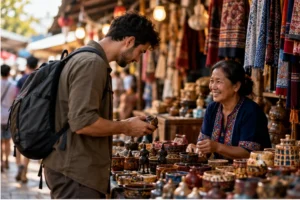
Visit markets where festival foods are prepared. Look for workshops producing costumes or decorations. Explore nearby neighborhoods and observe how businesses, families, and public spaces respond to the celebration.
UNESCO describes intangible cultural heritage as broader than performances alone. It can include oral traditions, craftsmanship, knowledge, social practices, and skills passed between generations.
That means a traditional meal, conversation with a craftsperson, or visit to a community market can provide valuable context for the festival itself.
Leave time for ordinary life too.
Drink coffee somewhere away from the main celebration, walk through residential streets, or visit the destination again after the crowds disappear.
You will see the relationship between special occasions and normal daily routines.
6. Spend Where the Local Community Benefits
Festival tourism can generate substantial economic activity, but visitors should think about where their money goes.
Whenever practical, use locally operated accommodation, neighborhood restaurants, community guides, independent shops, and craftspeople.
If you buy traditional products, look for items made by local artisans rather than mass-produced imitations.
ICOMOS’s Cultural Heritage Tourism Charter emphasizes community participation and responsible tourism management, including stronger involvement of host communities and traditional custodians.
UNESCO’s sustainable tourism approach similarly encourages destination planning that protects heritage while creating appropriate economic and community benefits.
Responsible spending does not require turning every purchase into a research project.
Simply asking who produced something and who benefits from your purchase can lead to better decisions – and frequently to a more interesting travel experiance.
7. Plan for Crowds Without Fighting Them
Popular festivals attract crowds. That is often part of their atmosphere.
Instead of expecting empty streets, design your days around changing crowd levels.
Reserve the main festival hours for the event itself and explore popular permanent attractions at another time. If a parade begins in the afternoon, perhaps visit museums early in the morning and spend the evening in a quieter neighborhood.
UNESCO’s sustainable tourism guidance highlights visitor-flow management as an important way to protect heritage, improve visitor experiences, and reduce pressure on host communities.
Travelers can apply the same principle personally.
Avoid blocking narrow streets for photographs, follow temporary access rules, and do not push into already overcrowded viewing areas simply because they offer the “best” angle.
Sometimes standing slightly farther away produces a much more comfortable experience.
Remember that residents still need to travel, work, shop, and access their homes during major celebrations.
8. Let Traditions Shape the Itinerary, Not Control Every Minute
Festival travel works best when the cultural event anchors the trip without turning every hour into a schedule.
Choose a few fixed elements you genuinely do not want to miss. These might include the main procession, performance, religious ceremony, craft demonstration, or food event.
Leave the rest flexible.
Traditional events can run late, schedules may change, and interesting activities may appear unexpectedly. You may hear about a neighborhood performance from your hotel host or discover a smaller celebration while walking through town.
This is where flexible travel becomes especially valuable.
UNESCO describes living heritage as something continually recreated by communities rather than something frozen in the past
Your itinerary should have some of that flexibility too.
Do not become so focused on following your spreadsheet that you miss what is happening directly in front of you.
9. Avoid Treating Festivals as Performances Created for Tourists
Perhaps the most important mindset is remembering that many festivals would exist whether you visited or not.
They belong first to the communities that maintain them.
Tourism can bring economic opportunities and cultural exchange, but excessive visitor pressure can also affect the character of celebrations. UNESCO specifically notes that growing tourist participation can influence the viability and practice of festive traditions.
Approach the event as a guest rather than the audience it was created to entertain.
Avoid demanding performances, interrupting rituals for photographs, entering restricted spaces, or complaining when traditions do not operate according to tourist schedules.
Local culture is not a theme park.
Paradoxically, respecting that fact usually makes the memmories more meaningful. You experience something happening because it matters to the people around you – not because someone designed it specifically for your visit.
Designing a trip around festivals and living traditions can transform an ordinary vacation into a much deeper cultural experience. The key is combining practical planning with respect for the communities behind the celebration.
Research the tradition before booking, verify current dates, secure difficult transportation and accommodation early, and learn what visitors may appropriately observe or join.
Explore markets, neighborhoods, crafts, and everyday life around the main event while directing some of your spending toward local businesses.
Most importantly, leave room for unexpected discoveries.
For your next cultural trip, choose one festival or living tradition that genuinely interests you. Learn its story first, then design the journey around the community and destination – not just the event calendar.